Teaching AI at a Homeless Shelter: Google Cloud's Richard Seroter Mentors w/ Impact
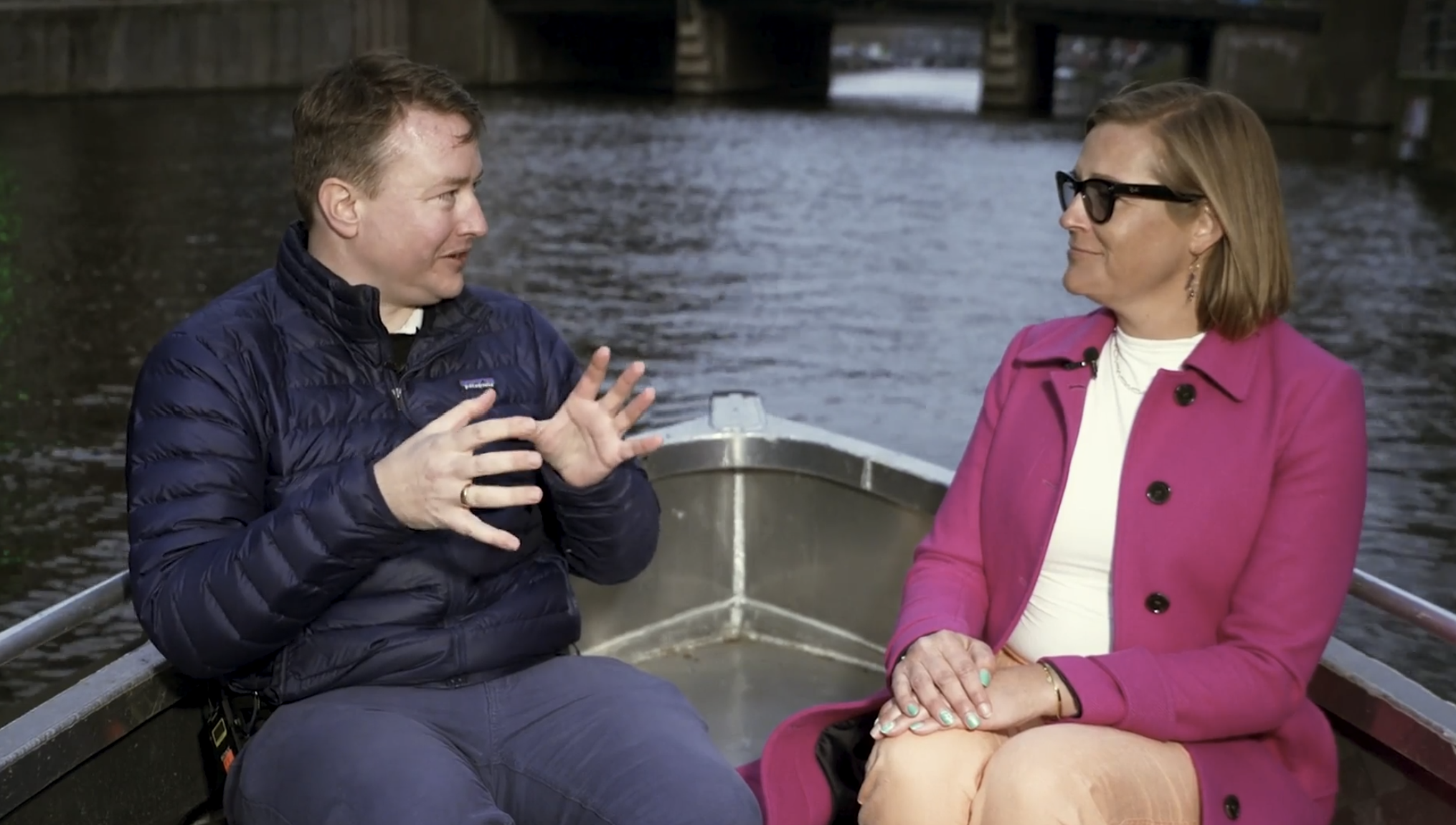
Richard Seroter joins host Savannah Peterson for our first episode of Google Cloud Passport to AI. Richard is quite the celebrity at shows, so getting to sit down with him for this series is a real treat. Speaking of his visibility at tech conferences, Richard shares a personal philosophy inspired by baseball legend Joe DiMaggio: every interaction with community members should be treated as if it is that person's first time meeting someone from Google. He emphasizes approaching every conversation with full energy, humility, and dedication to ensuring attendees have a positive and memorable experience. All very aligned with how we approach these interviews! We hope you enjoy this special conversation.
Real-World Human Impact: AI Workshop at a Homeless Shelter
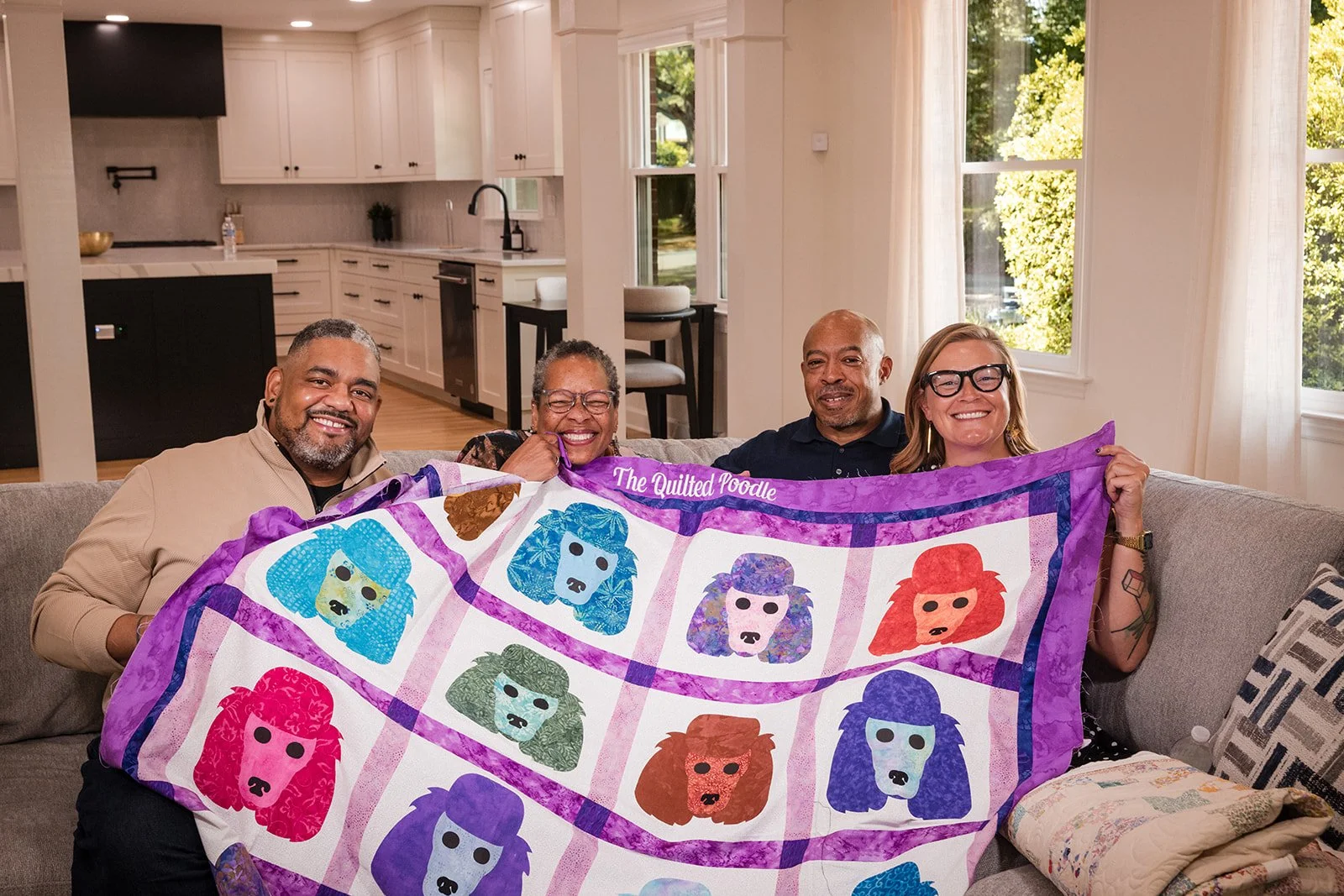
One of the most poignant moments of the interview centers on a two-hour AI workshop Richard conducted at a local homeless shelter where his wife serves on the board. Rather than focusing on coding or complex theory, Richard focused on immediate, empowering life applications:
Resume Building: Using AI to structure and polish work experience into professional resumes.
Family Connection: Generating customized storybooks and coloring pages featuring family members' faces so residents could connect with visiting grandchildren.
Demystifying Legal & Financial Fine Print: Utilizing Gemini in Google Chrome to instantly analyze credit card terms, conditions, and complex legal documents to highlight potential red flags.
This workshop reinforced Richard’s core operating principle: "What we don’t need is more information; we need more context and confidence." Effective leadership and education mean giving people the necessary context to understand what is important and the confidence that they can accomplish it themselves.
Unconventional Career Trajectory and Learning Tech
Despite his high-profile technical role, Richard reveals that he was a Political Science major in college who learned software engineering through hands-on work after joining a consulting firm. Both Savannah and Richard bond over their shared political science backgrounds. Richard credits his lack of formal computer science training with giving him an "inferiority complex" that fueled a perpetual hunger to learn and stay humble. This background makes tech more approachable for non-technical individuals because he relates directly to learning complex tools from scratch.
Richard traces his initial passion for technology to a student worker role at a campus research institute, where he helped manage a website. He discovered that turning abstract concepts into tangible digital creations provided an immediate, gratifying feedback loop.
Democratization of Technology and AI Capabilities
Richard highlights how artificial intelligence has dramatically lowered the barriers to entry for software development and creative expression. Where he previously struggled with tasks like front-end web development, AI now handles complex coding and design elements seamlessly. Developers and creators are no longer constrained by specialized technical mechanics, but only by the reach of ther own imagination.
To demonstrate product capabilities to customers, Richard advocates for building full, end-to-end practical scenarios rather than isolated feature walkthroughs. For instance, he built a prototype for a hypothetical hotel chain using Gemini Deep Research to analyze market conditions, agentic workflows to build landing pages, and automated agents to query local event and weather data. This aligns with his team motto: "Demos over memos"—prioritizing live, functional prototypes over lengthy strategy documents.
Overcoming AI Anxiety and Redefining Value
Addressing widespread anxiety regarding job displacement, Richard draws a clear distinction between a person's work function and their fundamental human worth. While AI changes the nature of daily tasks by automating routine toil, it does not diminish personal value. By serving as a judgment-free brainstorming partner available at any hour, AI allows individuals to offload repetitive tasks and focus on creative, strategic problem-solving.
He encourages playful experimentation, sharing examples ranging from creating school raffle flyers using image generation to summarizing travel accommodations based on specific qualitative preferences (e.g., finding quiet rooms or unique hotel amenities).
Rethinking Education, Work, and Team Leadership
In discussing the next generation and higher education, Richard notes that many academic institutions struggle with AI adoption, sometimes leaning toward strict prohibition. He compares AI tools to the introduction of advanced calculators in mathematics classrooms: integrating modern tools does not replace fundamental thinking skills but rather enhances human efficiency and capability.
Key takeaways for the future of education and team culture include:
Critical Thinking & Domain Expertise: Prompt engineering is secondary to deep domain knowledge, passion, and critical analysis.
Personalized Learning: AI enables customized educational experiences tailored to individual learning styles (visual, storytelling, sports analogies) without replacing the essential role of teachers.
Shift to Orchestration: Professionals are transitioning from being sole content creators to orchestrators directing AI capabilities.
Growth Mindset & Psychological Safety: Building high-performing teams requires creating safe spaces for "unique mistakes," fostering a learning-oriented mindset, maintaining accessibility, and actively supporting team growth.
Conclusion: Keeping Technology Human
Richard concludes with a clear directive: AI is a tool meant to serve humanity, not the other way around. By stripping away administrative burden and routine toil, AI should ultimately give people more time to spend with family, engage in hobbies, and nurture authentic human connections.
To keep these tips coming, you can see Richard’s musings and subscribe to his newsletter here.
To learn more about the San Diego Rescue Mission or donate, visit here.