Kubernetes, Open Source and Live Pig Calling with Kaslin Fields and Natalie Fisher | Passport to AI
"Open Source Is People"
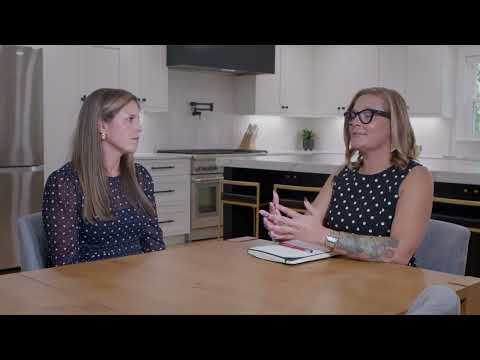
In this recent episode of Google Cloud’s Passport to AI series, host Savannah Peterson sat down in the sunny Seattle backyard of her alma mater, the University of Washington, with two prominent figures in the cloud-native ecosystem: Kaslin Fields and Natalie Fisher. The wide-ranging conversation explored the human side of open source, how generative AI is shifting maintainer workflows, overcoming imposter syndrome, and even featured a live demonstration of traditional Appalachian pig calling.
The episode kicks off with Savannah asking Kaslin and Natalie to define open source. While acknowledging that open source fundamentally means accessible source code and licensing, Natalie emphasized the human element at its core, "It's a bunch of people from different companies, different mindsets, different thought processes, different ways that they're trying to solve a similar problem coming together to kind of build one thing. Open source is people... The reality is the open source community is nothing without the people who often contribute for free, often in their spare time because they love helping other builders."
Kaslin and Natalie discussed how open source fosters a unique "different companies, same team" culture where collaboration eclipses traditional corporate competition.
Overcoming Fear and Contributing Without Coding
Natalie shared her honest journey into the Kubernetes community. Despite earning a computer science degree, she initially hesitated to contribute because she didn't write code and assumed the space was strictly for developers.
Savannah and Kaslin pushed back against that misconception. Savannah noted: "Just because you're not coding doesn't mean you're not technical. And every single one of those engineers depends on people like us to communicate and help get those ideas out into the world."
Kaslin emphasized that leaders in open source strive to build welcoming environments where people can feel comfortable making mistakes and growing together. Natalie recounted attending her very first meeting, stepping past her nerves, and volunteering to handle communications for the Maintainer Summit—proving that curiosity and a willingness to help are powerful entry points.
Navigating AI and Maintainer Bottlenecks
As the discussion turned toward artificial intelligence, Kaslin addressed how generative tools and AI agents are impacting open-source maintainers. While code generation lowers the barrier to creating pull requests (PRs), it also exacerbates existing review bottlenecks:> "The issue was always that we had more people trying to contribute than we have people who can review their contributions, and that's so much worse now because the ratio has gotten even... bigger and because the pace has gotten so much faster."
Despite these scaling challenges, Kaslin highlighted how AI is enabling developers to explore a wider variety of specialized open-source projects, while foundational projects like Kubernetes continue to provide robust, human-designed infrastructure.
The Appalachian Pig Call and Public Speaking Tips
In one of the episode's most memorable moments, Kaslin shared how growing up in a small Appalachian village in Virginia taught her the art of vocal projection. Her hometown hosts an annual agricultural fair featuring a pig calling contest: "My mother taught me how to call pigs in order to participate in the pig calling contest... You have to be able to project. Like the idea is like the pigs are on another mountain. You need to call them back home for dinner. And so you need to be able to project to the back of the room, just like if you're in theater, just like if you're giving a talk at a conference."
To the delight of Savannah and Natalie, Kaslin delivered an impressive live pig call right in the backyard, demonstrating that embracing vulnerable or unconventional experiences makes future public speaking much easier.
Accessibility, Community, and Backyard Metaphors
The conversation also touched on the CNCF’s strong culture of inclusion, including specialized working groups for deaf, hard-of-hearing, and visually impaired contributors. Kaslin noted how engaging with these diverse communities builds empathy and makes engineers better builders.
We hope you enjoy this episode and all episodes in our series.